Hyperpigmentation Treatment in 2026: The Complete Guide to Dark Spots & Sun Damage
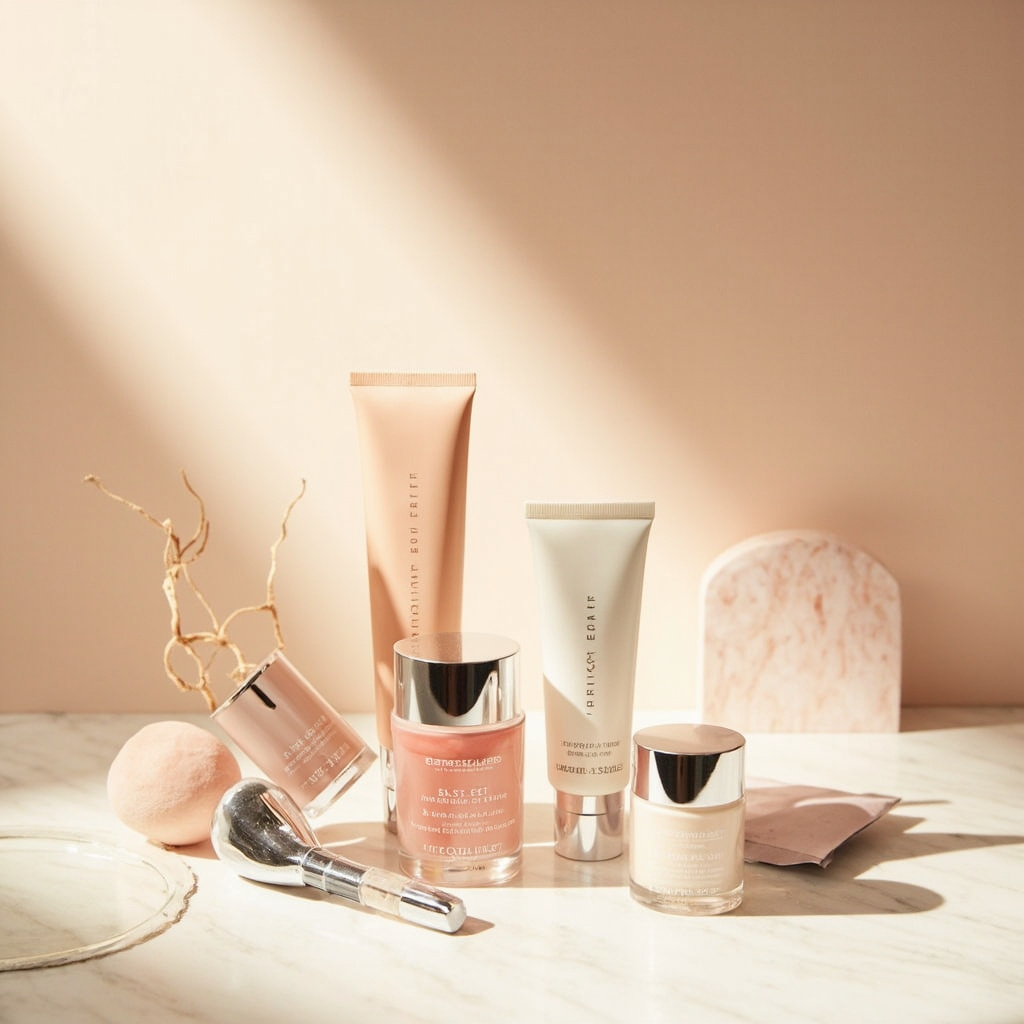
Summer is here, and so is the season's most persistent skin concern: hyperpigmentation. Whether you're dealing with post-inflammatory marks from a breakout, stubborn melasma patches, or accumulated sun damage from years of beach days, 2026's approach to dark spot correction is more evidence-based, ingredient-forward, and personalized than ever.
This guide covers everything you need to know — from what's happening beneath your skin's surface to exactly which products, ingredients, and routines dermatologists are recommending this summer. We'll break down the science, the routine, and the products that will make the biggest difference for your complexion.
What Actually Causes Hyperpigmentation? (The Science Behind the Spots)
Hyperpigmentation isn't one single condition — it's a category of skin discoloration driven by overactive melanocytes (the cells that produce pigment). When these cells go into overdrive, they deposit excess melanin in the skin, creating visible dark patches, spots, or uneven tone.
The three most common drivers of hyperpigmentation in summer 2026 are:
☀️ UV Exposure (The Summer Trigger)
Ultraviolet radiation is the single most powerful activator of melanin production. UVB rays cause immediate tanning and burning, while UVA rays penetrate deeper, triggering longer-term pigment shifts that accumulate over years. This is why hyperpigmentation almost always darkens in summer — and why consistent SPF use isn't optional if you want fading results. According to a 2024 meta-analysis in the Journal of the American Academy of Dermatology, daily broad-spectrum SPF 50+ use reduces the appearance of existing hyperpigmentation by up to 52% over 12 weeks, even without other treatments.
🧬 Hormonal Shifts (Melasma)
Melasma — characterized by symmetrical brown or gray-brown patches on the cheeks, forehead, and upper lip — is driven by estrogen and progesterone fluctuations. Pregnancy, birth control, hormone therapy, and even stress-induced cortisol spikes can trigger it. Summer sunlight exacerbates melasma dramatically, which is why dermatologists call it "the mask of pregnancy" that gets worse with sun exposure. In 2026, tranexamic acid (both topical and oral) has emerged as a leading treatment for melasma refractory to traditional therapies.
🔥 Inflammation (PIH — Post-Inflammatory Hyperpigmentation)
Any inflammatory skin event — acne, eczema, a nick from shaving, or even aggressive chemical peels — can leave behind a flat, discolored mark. This is especially common in Fitzpatrick skin types III–VI, where melanocytes are naturally more reactive. The mark isn't scar tissue; it's pigment. And the best way to prevent it is to treat the underlying inflammation quickly and keep the skin barrier healthy.
💡 Key insight for 2026
Dermatologists now emphasize a "barrier-first, pigment-second" approach. A compromised skin barrier actually signals melanocytes to produce more pigment. Strengthening the barrier with ceramides, fatty acids, and niacinamide creates an environment where brightening ingredients can work more effectively.
The 7 Best Brightening Ingredients for Dark Spot Correction in 2026
Not all brightening ingredients work the same way. The most effective protocols use a combination of agents that target different stages of melanin production: blocking the enzyme tyrosinase (which synthesizes melanin), interrupting melanosome transfer to skin cells, accelerating cell turnover, and reducing oxidative stress that triggers pigment production.
| Ingredient | How It Works | Best For | Typical Results Timeline |
|---|---|---|---|
| Vitamin C (L-Ascorbic Acid) | Potent antioxidant; inhibits tyrosinase and neutralizes free radicals from UV | Sun damage, general dullness, prevention | 4–8 weeks |
| Tranexamic Acid | Blocks plasmin-induced melanocyte activation | Melasma, stubborn discoloration | 8–12 weeks |
| Niacinamide (Vitamin B3) | Interrupts melanosome transfer from melanocytes to skin cells | All types of hyperpigmentation, barrier support | 8–12 weeks |
| Kojic Acid | Chelates copper needed for tyrosinase activity | Sun spots, PIH | 4–8 weeks |
| Alpha Arbutin | Glycosylated hydroquinone alternative; slowly releases hydroquinone | Sensitive skin, maintenance, melasma | 8–12 weeks |
| Azelaic Acid | Inhibits tyrosinase + reduces inflammation + fights acne bacteria | PIH + acne, rosacea-adjacent pigmentation | 8–12 weeks |
| Glycolic Acid (AHA) | Exfoliates surface dead skin cells; accelerates shedding of pigmented cells | Surface-level sun spots, overall texture | 2–6 weeks (rapid surface improvement) |
A 2025 systematic review in the International Journal of Molecular Sciences confirmed that combination therapy — specifically vitamin C paired with either niacinamide or tranexamic acid — produced significantly better outcomes than any single ingredient alone.
Summer-Specific Prevention: Why SPF Is the Most Important Brightening Step
Here's the truth dermatologists repeat on every platform: No brightening serum works if you're not wearing sunscreen. UV exposure continuously stimulates melanin production, so any fading you achieve overnight will be undone by a single unprotected 15-minute walk to your car.
What to Look for in a Summer 2026 Sunscreen
• SPF 50+ minimum. SPF 30 blocks ~97% of UVB rays; SPF 50 blocks ~98%. The difference matters over months of daily use.
• Broad-spectrum protection (UVA + UVB). In the U.S., look for "Broad Spectrum SPF" on the label. For longer UVA protection, seek PA++++ (the highest Asian rating) or a high PPD rating.
• Reapply every 2 hours. Sunscreen degrades. Set a timer. Use a powder SPF or SPF setting spray for reapplication over makeup.
• Mineral vs. Chemical: Both work when used correctly. Mineral sunscreens (zinc oxide, titanium dioxide) sit on top of the skin and reflect UV. They're ideal for melasma-prone skin because they block more visible light (which can also trigger pigment). Chemical sunscreens absorb UV and convert it to heat; newer filters like Tinosorb S, Uvinul A Plus, and Mexoryl 400 offer excellent UVA protection.
📌 2026 note
Iron oxides (the pigments in tinted sunscreens) are now recognized as critical for visible light protection, especially for melasma and darker skin tones. A tinted mineral SPF is the gold standard for summer.
Best Summer SPF Picks for Hyperpigmentation
EltaMD UV Clear Face Sunscreen SPF 46 ($43) — A dermatologist-favorite that combines zinc oxide with niacinamide and hyaluronic acid. Oil-free, non-comedogenic, and formulated specifically for acne-prone and hyperpigmentation-prone skin.
Tower 28 Sunnydays SPF 30 ($32) — A 100% mineral, reef-safe option with a lightweight, tinted finish. Safe for sensitive and eczema-prone skin.
How to Build a Summer Hyperpigmentation Routine (Step-by-Step)
This is the part most guides skip — not just which products to use, but how to layer them for maximum efficacy without irritating your skin. Here's your summer 2026 blueprint.
☀️ AM Routine: Protect
| Step | Product Type | Key Ingredient Goal | Example Product |
|---|---|---|---|
| 1 | Cleanse (or rinse with water) | Remove overnight buildup | Gentle non-foaming cleanser |
| 2 | Vitamin C serum | Antioxidant protection, tyrosinase inhibition | Paula's Choice C15 Super Booster |
| 3 | Moisturizer | Hydration, barrier support | Dieux Instant Angel Moisturizer |
| 4 | Sunscreen (SPF 50+) | UV + visible light protection | EltaMD UV Clear SPF 46 |
Wait times: Apply vitamin C to clean, dry skin. Let it absorb for 60–90 seconds before moving to moisturizer. Wait 2 minutes after moisturizer before applying sunscreen to ensure even film formation.
🌙 PM Routine: Treat & Repair
| Step | Product Type | Key Ingredient Goal | Example Product |
|---|---|---|---|
| 1 | Double cleanse (oil + water-based) | Remove SPF, sebum, debris | PanOxyl 10% Acne Foaming Wash or gentle cream cleanser |
| 2 | Exfoliant (2–3×/week) | Surface cell turnover | The Ordinary Glycolic Acid 7% Exfoliating Toner |
| 3 | Brightening serum | Targeted pigment reduction | Eqqualberry Vitamin Illuminating Serum or Skin1004 Madagascar Centella Asiatica Ampoule |
| 4 | Moisturizer (richer formula) | Nighttime barrier repair | COSRX Snail Mucin 96% Power Essence + Dieux Instant Angel |
Important Caveats
• Do not layer vitamin C with AHAs/BHAs in the same routine. Use vitamin C in the AM and exfoliants in the PM.
• Introduce exfoliants slowly. Start with 1×/week for two weeks, then 2×/week. If you experience stinging, redness, or peeling, scale back.
• If you're on prescription retinoids (tretinoin, tazarotene), do not use glycolic acid. Stick to a gentle cleanser, brightening serum, and moisturizer in the PM.
• Niacinamide plays well with everything. It can be used in both AM and PM routines and pairs beautifully with vitamin C (the old myth that they neutralize each other has been debunked by multiple studies).
Ingredient Deep-Dive: The Products Making a Difference in 2026
Vitamin C Serums (AM Essential)
Paula's Choice C15 Super Booster ($52)
15% pure L-ascorbic acid stabilized with vitamin E and ferulic acid. This is the gold standard for antioxidant protection and visible brightening. Over 5,000 five-star reviews on the Paula's Choice site.
Timeless Vitamin C + Ferulic Acid ($29.95)
A more affordable dupe for the iconic SkinCeuticals formula. 20% L-ascorbic acid + vitamin E + ferulic acid. Packaged in an airless pump to maintain stability.
CeraVe Vitamin C Serum ($20.99)
10% pure vitamin C with ceramides and hyaluronic acid. An excellent entry point for sensitive skin or those new to vitamin C.
Brightening Serums & Essences (PM Key Players)
Eqqualberry Vitamin Illuminating Serum ($29)
A Korean beauty standout that combines 5% niacinamide, tranexamic acid, and glutathione. Lightweight, hydrating, and surprisingly powerful for its price point.
Glow Recipe Watermelon Niacinamide Dew Drops ($34)
A niacinamide-rich (3%) serum that hydrates, smooths texture, and delivers a glass-skin glow. The watermelon extract provides gentle enzymatic exfoliation.
Skin1004 Madagascar Centella Asiatica Ampoule ($22)
Centella Asiatica is rich in madecassoside, which calms inflammation and supports barrier repair — essential for preventing PIH in acne-prone skin.
COSRX Snail Mucin 96% Power Essence ($18)
A hydration powerhouse that supports wound healing and barrier repair. Not a brightener per se, but crucial for maintaining a healthy barrier so your active ingredients can work.
Targeted Exfoliants
The Ordinary Glycolic Acid 7% Exfoliating Toner ($11.70)
An affordable, effective AHA toner that accelerates shedding of pigmented surface cells. Use only in PM, 2–3× weekly.
Cleansers & Moisturizers
PanOxyl 10% Acne Foaming Wash ($12.99)
Benzoyl peroxide wash for acne-prone skin. By treating active acne, you prevent new PIH from forming. Use in the PM, leave on for 60–90 seconds before rinsing.
Dieux Instant Angel Moisturizer ($38)
A barrier-repair moisturizer with ceramides, lipids, and ectoin. "Skin barrier first" is the 2026 mantra, and this delivers.
Professional Treatments vs. At-Home Care: What's Worth the Investment?
At-Home (First Line of Defense)
A consistent at-home routine with the right ingredients can produce noticeable improvement in 8–12 weeks. This is the foundation. Without it, professional treatments will be less effective and results will fade faster.
Best for: Mild to moderate sun damage, PIH from occasional breakouts, maintenance after professional treatments.
In-Office Treatments (Accelerators)
| Treatment | What It Does | Best For | Downtime | Average Cost |
|---|---|---|---|---|
| Chemical peels (medium-depth) | Controlled chemical exfoliation removing pigmented layers | Sun spots, PIH, overall texture | 5–7 days peeling | $150–$600 |
| Laser resurfacing (fractional, Q-switched, picosecond) | Laser energy targets melanin without surrounding damage | Stubborn melasma, deep pigmentation | 3–10 days | $300–$1,500 |
| IPL / BBL (intense pulsed light) | Broad-spectrum light targets pigmented cells | Sun damage, freckles, redness | Minimal to 2 days | $300–$600 |
| Microneedling with tranexamic acid | Creates micro-channels; topical TA penetrates deeper | Melasma, acne scars with pigmentation | 3–5 days | $400–$800 |
2026 trend: "Skin streaming" — a more minimalist, less aggressive approach to professional treatments — is gaining traction. Many dermatologists now recommend spaced-out, lighter peels and lower-energy laser settings combined with a solid at-home routine rather than aggressive single sessions.
For a deeper dive into in-office treatments you can also do at home, check out our guide to red light therapy for skin.
Diet & Lifestyle: Can What You Eat Affect Hyperpigmentation?
The science is still emerging, but there are several diet and lifestyle factors with solid evidence behind them:
• Antioxidant-rich foods: Diets high in vitamins C and E (citrus, bell peppers, almonds, sunflower seeds) support the skin's natural defense against UV-induced oxidative stress.
• Polyphenols: Green tea (EGCG), dark chocolate (flavonoids), and berries (anthocyanins) have shown photoprotective effects in multiple clinical studies.
• Omega-3 fatty acids: Found in fatty fish, flaxseeds, and walnuts. Omega-3s reduce systemic inflammation, which can indirectly reduce melanocyte overactivity.
• Limit sugar and processed foods: Advanced glycation end-products (AGEs) from high-sugar diets cross-link collagen and can worsen pigmentation and dullness.
• Manage stress: Cortisol triggers inflammatory cascades that can stimulate melanocyte activity. Meditation, adequate sleep, and exercise all help.
• Stay hydrated: Dehydrated skin has a compromised barrier, which signals melanocytes to produce more pigment.
📌 Bottom line
Diet alone won't erase dark spots, but a nutrient-dense, anti-inflammatory diet creates the internal environment where topical treatments can be more effective.
Ingredient Comparison: Key Brightening Products at a Glance
Shop Top Brightening Products
15% L-Ascorbic Acid with vitamin E and ferulic acid. Gold-standard vitamin C for brightening and antioxidant protection.
20% L-Ascorbic Acid at a fraction of the cost. Best budget vitamin C with proven results.
10% L-Ascorbic Acid with ceramides. Gentle entry point for sensitive skin.
Niacinamide 5%, Tranexamic Acid, Glutathione. K-beauty cult hit for melasma.
Best value exfoliant. Accelerates shedding of pigmented surface cells.
Derm-favorite SPF with niacinamide. Non-negotiable for hyperpigmentation treatment.
Barrier-repair moisturizer. The foundation any brightening routine needs.
Hydration and barrier support. Helps active ingredients work better.
Frequently Asked Questions About Hyperpigmentation
1. How long does it take for dark spots to fade?
With consistent use of the right ingredients (vitamin C, niacinamide, SPF), surface-level sun spots typically fade in 4–8 weeks. Deeper pigmentation and melasma can take 3–6 months or longer. Consistency is more important than potency — daily application of a moderate-strength serum outperforms weekly use of a strong one.
2. Can hyperpigmentation go away completely?
It depends on the type. Surface PIH (post-inflammatory marks) can fade completely with time and treatment. Melasma and deep sun damage are chronic conditions — they can be significantly improved and maintained, but they may never disappear entirely without ongoing management.
3. Is vitamin C or niacinamide better for dark spots?
Both, used together. Vitamin C inhibits melanin production at the source and neutralizes UV damage in the AM. Niacinamide blocks pigment transfer to skin cells and supports barrier function. A 2024 study in the Journal of Cosmetic Dermatology found that a vitamin C + niacinamide combination produced 37% more improvement in hyperpigmentation than either ingredient alone.
4. Can I use glycolic acid every day?
No. 2–3 times per week is sufficient and safe. Daily use of AHAs can compromise the skin barrier, leading to increased sensitivity, redness, and even rebound pigmentation — the exact opposite of what you're trying to achieve.
5. Does sunscreen really help fade existing dark spots?
Yes. This is backed by extensive clinical data. Sunscreen doesn't just prevent new spots — it allows your existing spots to fade by stopping the UV-driven melanin production that keeps them dark. The 2024 JAAD meta-analysis found SPF 50+ use alone (without any other treatment) reduced hyperpigmentation by up to 52% over 12 weeks.
6. What's the best treatment for melasma in 2026?
A combination approach: daily mineral SPF 50+, a tranexamic acid serum (such as the Eqqualberry Vitamin Illuminating Serum), a tyrosinase inhibitor (kojic acid or alpha arbutin), and barrier-supporting moisturizers. For resistant cases, oral tranexamic acid (prescription) and in-office procedures like microneedling with tranexamic acid or low-fluence laser are showing strong results.
7. Can diet cause or cure hyperpigmentation?
Diet alone won't cause or cure hyperpigmentation, but anti-inflammatory eating patterns (rich in antioxidants, omega-3s, and polyphenols) can support your skin's ability to repair itself and respond to topical treatments. Conversely, high-sugar, high-glycemic diets may worsen systemic inflammation that contributes to melanocyte overactivity.
8. Is professional treatment worth the cost?
For mild hyperpigmentation, a consistent at-home routine with the right products is often sufficient. For moderate to severe or treatment-resistant pigmentation — especially melasma — professional treatments can significantly accelerate results. The most cost-effective approach is a solid at-home baseline with periodic in-office maintenance.
9. Can I use retinol for hyperpigmentation?
Yes — retinoids (retinol, tretinoin, adapalene) accelerate cell turnover, which helps shed pigmented cells faster. However, they can be irritating in summer when skin is more sensitive to UV. If you use a retinoid, apply it only in PM, use SPF rigorously in AM, and avoid combining it with glycolic acid on the same night.
The Bottom Line
Hyperpigmentation treatment in 2026 is about consistency, protection, and smart ingredient layering — not aggressive, one-size-fits-all protocols. Start with the fundamentals: SPF 50+ every single day, a stable vitamin C in the morning, and a targeted brightening serum or exfoliant at night. Build slowly, listen to your skin, and give treatments 8–12 weeks before evaluating results.
For barrier health and skin repair essentials, also check out:
• The Complete Guide to PDRN Salmon DNA Skincare — the emerging regenerative ingredient making waves in brightening and healing
• Best Barrier Repair Products of 2026 — because a healthy barrier is the foundation of any brightening routine
This article contains affiliate links. As an Amazon Associate and partner with select skincare brands, we may earn a small commission from qualifying purchases at no additional cost to you. All products featured are independently selected and reviewed based on ingredient quality, efficacy data, and dermatologist consensus.
🛍️ Shop This Guide
As an Amazon Associate, AnikaGlow earns from qualifying purchases. All reviews are independent and based on real testing. Products are selected based on merit, not affiliate commission.
Weekly Beauty Finds
Honest reviews, trending products, and exclusive recommendations — delivered to your inbox.
No spam, unsubscribe anytime. We respect your inbox.