The Ultimate Guide to Tinted Sunscreens & Hybrid SPF for Summer 2026
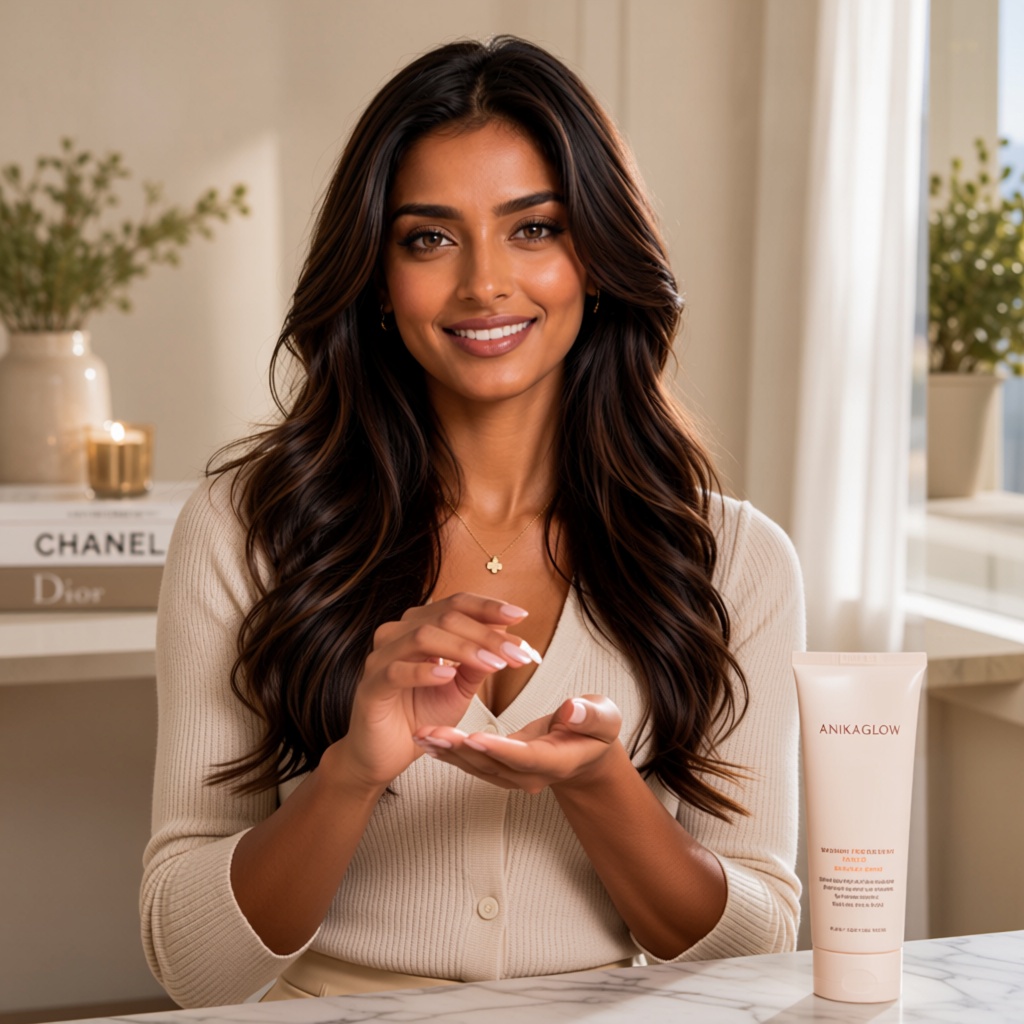
If there's one beauty category that has absolutely exploded in 2026, it's tinted sunscreen. And for good reason.
The numbers tell the story: the global sunscreen market is projected to reach $19.8 billion by 2028, and the tinted segment is the fastest-growing slice of that pie. In Asia specifically — the trend bellwether for everything SPF — the Korean sunscreen market alone has seen +49% growth year-over-year, driven almost entirely by hybrid, multitasking formulas that blur the line between skincare and makeup.
Why now? Because consumers have made a collective decision: we no longer have time for separate SPF, primer, foundation, and setting spray. Summer 2026 is about efficiency without compromise. Tinted sunsentials deliver broad-spectrum protection, skincare actives, and a skin-evening finish in a single step.
Why Tinted SPF Is the #1 Summer Beauty Product in 2026
- One-step protection + coverage. No more layering SPF under foundation (which dilutes protection when not applied properly).
- Zinc oxide + iron oxides = superior visible light protection. Tinted mineral sunscreens protect against HEV (blue light) and visible light in ways untinted formulas cannot — a growing concern given our screen-addicted lifestyles.
- Temperature-proof wear. Tinted sunscreens tend to be lighter than traditional foundation, making them less likely to melt, streak, or settle into pores in high heat and humidity.
- The "no-makeup makeup" aesthetic. The sheer, skin-like finish of modern tinted SPFs aligns perfectly with the glass-skin and clean-girl beauty movements dominating social media in 2026.
Key Stat: Searches for "tinted sunscreen" have increased over 340% year-over-year, and "SPF that replaces foundation" is trending across TikTok, Instagram, and Pinterest simultaneously.
Tinted vs Untinted Sunscreen: What's the Difference?
This is the most common question we get, and the answer might surprise you. On paper, both tinted and untinted sunscreens provide UV protection. But in practice, the differences are significant.
| Feature | Tinted Sunscreen | Untinted Sunscreen |
|---|---|---|
| UV Protection | Broad-spectrum SPF 30+ | Broad-spectrum SPF 30+ |
| Blue Light Protection | ✅ Yes (iron oxides block HEV) | ❌ No (minimal HEV protection) |
| Visible Light Protection | ✅ Yes | ❌ No |
| Coverage | Light to medium, evens skin tone | None — can leave white cast |
| Makeup Replacement | Often yes, for light-coverage days | No — requires makeup on top |
| Best For | Daily wear, no-makeup days, hyperpigmentation concerns | Body, reapplications, layering under makeup |
| Typical Finish | Natural, satin, or dewy | Can be matte, dewy, or sticky |
The hidden advantage of tinted sunscreen is the iron oxides used for pigmentation. Research published in the Journal of the American Academy of Dermatology (2024) confirmed that iron oxides in tinted sunscreens significantly reduce visible light and blue light transmission compared to untinted formulas. For anyone dealing with melasma, post-inflammatory hyperpigmentation (PIH), or general uneven skin tone, this isn't a nice-to-have — it's a clinical necessity.
Physical vs Chemical: Which Type of Tinted Sunscreen Is Right for You?
Tinted sunscreens come in both mineral (physical) and chemical formulations, and the distinction matters more than ever in 2026.
Mineral (Physical) Tinted Sunscreen
Mineral sunscreens use zinc oxide and/or titanium dioxide as active ingredients. These sit on top of the skin and physically scatter, reflect, and block UV rays.
Pros:
- Immediate protection upon application (no wait time)
- Superior visible light and blue light protection (especially zinc oxide combined with iron oxides)
- Less likely to irritate sensitive or reactive skin
- Often formulated with calming ingredients for post-procedure skin
- Reef-safe and environmentally friendlier (non-nano zinc is generally accepted as coral-safe)
Cons:
- Can feel thicker or heavier than chemical formulas
- Some formulas still leave a cast on deeper skin tones (though modern micronized versions are much better)
- May require more blending effort for a seamless finish
Chemical Tinted Sunscreen
Chemical sunscreens use organic compounds like avobenzone, octisalate, octocrylene, homosalate, and newer-generation filters to absorb UV radiation and convert it to heat.
Pros:
- Lighter, more cosmetically elegant texture
- Easier to blend and layer under makeup
- Often contains additional skincare ingredients (niacinamide, ceramides, vitamin C)
- Wider variety of finishes (matte, velvet, dewy)
Cons:
- Requires 15–20 minutes to become effective after application
- Some filters (particularly oxybenzone and octinoxate) are restricted in certain regions due to environmental concerns
- Can sting or irritate very sensitive skin and eyes
- Some users experience breakouts from specific chemical filters
The 2026 Trend: Hybrid Formulas
Increasingly, brands are blurring the line. Hybrid sunscreens combine mineral filters with chemical filters (or mineral filters with high concentrations of skincare actives) to offer the best of both worlds. The EltaMD UV Clear SPF, for example, combines zinc oxide with niacinamide and hyaluronic acid — technically a mineral sunscreen, but with a cosmetically elegant feel that rivals any chemical formula.
The 2026 verdict: Mineral tinted sunscreens are the top choice for melasma-prone, sensitive, or reactive skin. Chemical or hybrid options work beautifully for oily, combination, or normal skin types seeking a lighter feel.
The "Skinification" of Sunscreen: Skincare Meets SPF
The biggest beauty trend of 2026 isn't a product category — it's a mindset. Skinification — the transformation of traditionally single-purpose products into multi-benefit skincare hybrids — has completely reshaped how we think about sunscreen.
Ten years ago, sunscreen was a chore: thick, smelly, uncomfortable, something you endured for the sake of prevention. In 2026, sunscreen is skincare first, protection second.
Niacinamide in SPF
Niacinamide (vitamin B3) has become the most common skincare add-in for tinted sunscreens. It reduces pore appearance, calms inflammation, supports the skin barrier, and helps fade hyperpigmentation over time. EltaMD UV Clear SPF pioneered this model, and it remains one of the best examples on the market — broad-spectrum zinc oxide protection paired with 5% niacinamide for daily barrier support.
Antioxidant Complexes
Vitamin C, vitamin E, ferulic acid, and even CoQ10 are being formulated directly into tinted SPF. These antioxidants neutralize free radicals generated by UV exposure, effectively doubling the protection you're getting. You can also boost your existing SPF by mixing in a drop of Paula's Choice C15 Super Booster — a 15% pure vitamin C formula that enhances sun protection while brightening skin over time.
Hyaluronic Acid & Ceramides
Dryness from sunscreen is a thing of the past. Modern tinted SPFs include hyaluronic acid for hydration, ceramides for barrier repair, and glycerin for humectant moisture. Your sunscreen should leave your skin feeling more hydrated than before you applied it.
Probiotics & Postbiotics
The microbiome-friendly beauty trend has reached sunscreen. Several 2026 tinted SPF launches feature postbiotic ferment filtrates and prebiotic compounds to support a healthy skin barrier while protecting from UV.
The Takeaway
If your tinted sunscreen doesn't do at least two things beyond sun protection — hydrate, brighten, calm, or support barrier function — you're using last decade's formula. The 2026 standard is skincare-grade SPF.
Trend Alert: The Korean beauty industry, which drives +49% of global sunscreen innovation, is now formulating tinted SPF with exosome technology and peptide complexes — the same active ingredients found in high-end anti-aging serums.
Best Tinted Sunscreen for Each Skin Type
Not all tinted sunscreens are created equal. Here's how to match the formula to your skin.
Oily & Acne-Prone Skin
Look for: Oil-free, non-comedogenic, mattifying formulas with niacinamide or salicylic acid.
Top Pick: EltaMD UV Clear SPF
This is arguably the most dermatologist-recommended sunscreen for acne-prone skin. The 5% niacinamide helps regulate oil production and calm breakouts, while the lightweight zinc oxide formula won't clog pores. It also contains lactic acid, which gently exfoliates.
Why it works: Oil-free, non-comedogenic, dries down to a natural finish, and actually improves skin texture with consistent use.
Dry & Dehydrated Skin
Look for: Hydrating formulas with hyaluronic acid, glycerin, ceramides, or squalane.
Top Pick: Tower 28 Sunnydays SPF
Tower 28 built its reputation on gentle, hydrating formulas for sensitive skin. Sunnydays SPF delivers sheer mineral coverage with a dewy, skin-like finish that dry skin types will love. It's packed with moisturizing ingredients and free from irritating essential oils.
Why it works: The formula is hydrating enough to double as a daytime moisturizer, and the sheer tint evens skin without clinging to dry patches.
Sensitive & Rosacea-Prone Skin
Look for: 100% mineral formulas with zinc oxide, minimal ingredients, no fragrance, no essential oils.
Top Pick: Blue Lizard Sensitive Mineral SPF 50
Blue Lizard is the gold standard for sensitive skin. This mineral-only formula uses zinc oxide and titanium dioxide with no chemical filters whatsoever. The "smart cap" technology turns pink in UV light — a helpful reminder to reapply.
Why it works: Zero chemical filters, zero fragrance, zero essential oils. Just pure mineral protection and calming ingredients.
Combination Skin
Look for: Balanced, medium-weight formulas that won't over-hydrate or mattify aggressively.
Top Pick: Neutrogena Ultra Sheer SPF 70
While not tinted itself, this ultra-lightweight chemical formula works beautifully as a base layer for anyone who wants maximum SPF protection before applying a tinted product on top. The featherlight texture is ideal for combination skin that changes throughout the day.
Why it works: Helioplex technology delivers truly stable, long-lasting protection, and the weightless finish won't interfere with your skin's natural behavior.
Hyperpigmentation & Melasma Concerns
Look for: High zinc oxide content + iron oxides (for visible light protection) + brightening ingredients.
Top Combo
Start with Tower 28 Sunnydays SPF for mineral protection and visible light coverage, then boost with Paula's Choice C15 Super Booster mixed into your moisturizer underneath. The vitamin C provides antioxidant protection and gradual brightening, while the iron oxides in the tinted SPF block the visible light that triggers melanin production.
Why it works: Melasma requires a multi-pronged approach — UV protection, visible light protection (from iron oxides), and pigmentation-fighting ingredients (from vitamin C). This combination checks all three boxes.
How to Apply Tinted Sunscreen for Best Results
Tinted sunscreen application is different from regular sunscreen. Here's the correct way to do it.
Step 1: Prep Your Skin
Start with clean, toned, and moisturized skin. Apply your serum or moisturizer and wait 60–90 seconds for it to fully absorb. If you're using Paula's Choice C15 Super Booster, apply it at this stage — 2–3 drops pressed into damp skin before moisturizer.
Step 2: Use Enough Product
Here's where most people go wrong. You need ¼ teaspoon (about a nickel-sized amount) for your face alone. Because tinted sunscreens are pigmented, using less not only compromises your SPF protection — it also creates patchy, uneven coverage.
Step 3: Apply in Sections
Unlike untinted sunscreen where you can glob it on and rub it in, tinted SPF benefits from a more methodical approach. Dot the product onto your forehead, cheeks, chin, and nose, then blend outward. Use your fingers for the most natural finish — the warmth helps the tint melt into your skin.
Step 4: Don't Forget the Neck and Ears
Your neck shows sun damage just as much as your face does. Blend the tinted sunscreen down past your jawline and onto your neck and chest. Tap a small amount onto your ears — they're a common site for skin cancers.
Step 5: Let It Set
Wait 2–3 minutes before applying any additional products. Tinted sunscreens need a moment to form an even film on the skin. Rushing this step can lead to pilling.
Step 6: Reapply (Yes, Even Tinted SPF)
Tinted sunscreen is not a one-and-done product. Reapply every two hours of sun exposure. If you're wearing makeup, use a tinted powder SPF or a setting spray with SPF for touch-ups without disturbing your look.
Can Tinted Sunscreen Replace Foundation?
This is the million-dollar question for Summer 2026.
The short answer: Yes — for most daily situations.
The longer answer: It depends on the coverage level you want, your skin type, and the event.
When Tinted SPF Can Replace Foundation
- Everyday office/errands/lounging. If you're not being photographed with professional lighting, tinted sunscreen provides enough coverage to even out redness, blur pores, and give your skin a healthy, unified appearance.
- High-heat, high-humidity days. Foundation tends to melt, separate, or oxidize in extreme heat. Tinted sunscreen — especially mineral formulas — stays put and actually improves in appearance as your skin's natural oils mix with the formula.
- Beach, pool, or outdoor activities. You don't want to worry about foundation streaks when you're sweating or swimming. Tinted SPF gives you protection and a fresh look that holds up better than traditional makeup in water and humidity.
- The "clean girl" / "glass skin" aesthetic. The sheer, radiant finish of modern tinted sunscreens is more on-trend in 2026 than full-coverage foundation.
When You Still Need Foundation
- Formal events, weddings, or photography. Tinted SPF rarely provides enough coverage for flash photography or situations where you want a perfected, long-wearing look.
- Full-coverage preferences. If you're used to medium or full foundation coverage, tinted SPF alone may feel too sheer.
- Very diverse shade ranges. While tinted SPF shade ranges are improving, they still lag behind traditional foundation.
The 2026 Verdict
For 80% of daily life, tinted sunscreen has completely replaced foundation. The remaining 20% — special events, photography, and personal preference — still calls for traditional makeup.
Comparison Table: Top Tinted & Hybrid SPF Products for Summer 2026
| Product | Type | SPF | Key Ingredients | Best For | Finish |
|---|---|---|---|---|---|
| Tower 28 Sunnydays SPF | Mineral | SPF 30 | Zinc oxide, iron oxides, glycerin | Dry, sensitive, normal skin | Dewy, natural |
| EltaMD UV Clear SPF | Mineral / Hybrid | SPF 46 | Zinc oxide, niacinamide (5%), hyaluronic acid, lactic acid | Oily, acne-prone, rosacea-prone | Natural, satin |
| Neutrogena Ultra Sheer SPF 70 | Chemical | SPF 70 | Avobenzone, Helioplex technology | Oily, combination (good base layer) | Weightless, matte |
| Blue Lizard Sensitive Mineral SPF 50 | Mineral | SPF 50 | Zinc oxide, titanium dioxide | Sensitive, reactive, post-procedure | Natural |
| Paula's Choice C15 Super Booster | Antioxidant Booster | N/A | 15% vitamin C, vitamin E, ferulic acid | All skin types (mix with SPF) | Pairs with any finish |
Shop Top Tinted & Hybrid SPF Products
Best for dry & sensitive skin. Sheer mineral coverage with a dewy, skin-like finish. Hydrating enough to double as a daytime moisturizer.
Dermatologist favorite for acne-prone skin. 5% niacinamide + zinc oxide in a lightweight, non-comedogenic formula.
Maximum SPF 70 protection in a weightless chemical formula. Helioplex technology for stable, long-lasting defense.
Gold standard for sensitive skin. Zero chemical filters, zero fragrance. Smart cap reminds you to reapply.
Boost any SPF with 15% vitamin C. Antioxidant protection + brightening that pairs perfectly with tinted sunscreen.
Frequently Asked Questions
Can I use tinted sunscreen every day?
Yes — and you should. Daily use of broad-spectrum SPF 30+ is the single most effective anti-aging and skin cancer prevention habit you can adopt. Tinted sunscreens make this easier because they combine protection with a cosmetic benefit, reducing the temptation to skip SPF on "no makeup" days.
Do I need moisturizer under tinted sunscreen?
It depends on your skin type and the formula. If your tinted sunscreen contains hydrating ingredients like glycerin, squalane, or hyaluronic acid (like Tower 28 Sunnydays), you may not need a separate moisturizer. Dry skin types should still use moisturizer underneath. Oily skin types can apply tinted SPF directly to clean, serum-treated skin.
Can I mix tinted sunscreen with foundation?
Yes, but do it carefully. Mixing tinted SPF with foundation can dilute the SPF protection if you don't maintain the correct ratio. A better approach: apply your full ¼ teaspoon of tinted sunscreen, let it set, then apply a light layer of foundation on top.
Does tinted sunscreen protect against blue light from screens?
Tinted sunscreens with iron oxides do. The pigment particles in tinted formulas scatter and absorb HEV (high-energy visible) blue light, providing superior protection compared to untinted sunscreens. This is especially relevant for anyone spending long hours in front of digital screens.
How do I choose the right shade of tinted sunscreen?
Match to your neck, not your face. Test the shade along your jawline and blend down onto your neck. The right shade should disappear into your skin without a visible line. Many tinted sunscreens now come in 4–12 shades, though the range is still more limited than foundation.
Can men wear tinted sunscreen?
Absolutely. Tinted sunscreen is gender-neutral skincare. The sheer coverage evens skin tone without looking like makeup, and the SPF protection is essential for everyone regardless of gender. Many tinted SPF formulas are completely undetectable once blended.
Does tinted sunscreen expire?
Yes. Like all sunscreens, tinted SPF expires. Check the PAO (Period After Opening) symbol on the bottle — typically 12 months. An expired sunscreen loses its SPF efficacy and may separate or develop bacterial contamination.
Is tinted sunscreen safe during pregnancy?
Mineral tinted sunscreens (zinc oxide + titanium dioxide) are the safest choice during pregnancy. Chemical sunscreen filters have been shown to absorb into the bloodstream at levels that warrant further study in pregnant populations. Stick with a mineral formula like Blue Lizard Sensitive Mineral SPF 50 or Tower 28 Sunnydays SPF during pregnancy and nursing.
How do I remove tinted sunscreen at night?
Double cleanse. Tinted sunscreen contains pigments and often water-resistant ingredients that single cleansers can't fully remove. Start with an oil-based cleanser or micellar water to break down the SPF and pigments, then follow with your regular water-based cleanser.
The Bottom Line
Tinted sunscreen in 2026 is not just a trend — it's a fundamental shift in how we approach daily sun protection. The old trade-off ("I can have protection OR a nice finish, not both") is dead. Modern tinted hybrid SPF formulations deliver:
- ✅ Broad-spectrum UV protection (SPF 30+)
- ✅ Visible light & blue light protection (via iron oxides)
- ✅ Skincare benefits (niacinamide, vitamin C, hyaluronic acid)
- ✅ Even skin tone and light coverage
- ✅ Temperature-proof, humidity-resistant wear
Whether you choose the skin-like finish of Tower 28 Sunnydays, the dermatologist-backed formula of EltaMD UV Clear, the maximum protection of Neutrogena Ultra Sheer SPF 70, or the sensitive-skin safety of Blue Lizard Mineral SPF 50, the key is simple: find a tinted sunscreen you love enough to wear every single day.
And if you want to supercharge your protection? Add Paula's Choice C15 Super Booster under your SPF for antioxidant-boosted, hyperpigmentation-fighting coverage that doesn't mess with your tint.
🛍️ Shop This Guide
As an Amazon Associate, AnikaGlow earns from qualifying purchases. All reviews are independent and based on real testing. Products are selected based on merit, not affiliate commission.
Weekly Beauty Finds
Honest reviews, trending products, and exclusive recommendations — delivered to your inbox.
No spam, unsubscribe anytime. We respect your inbox.