Cloud Skin: The Soft-Focus Complexion Trend Taking Over Summer 2026 — The Complete Guide
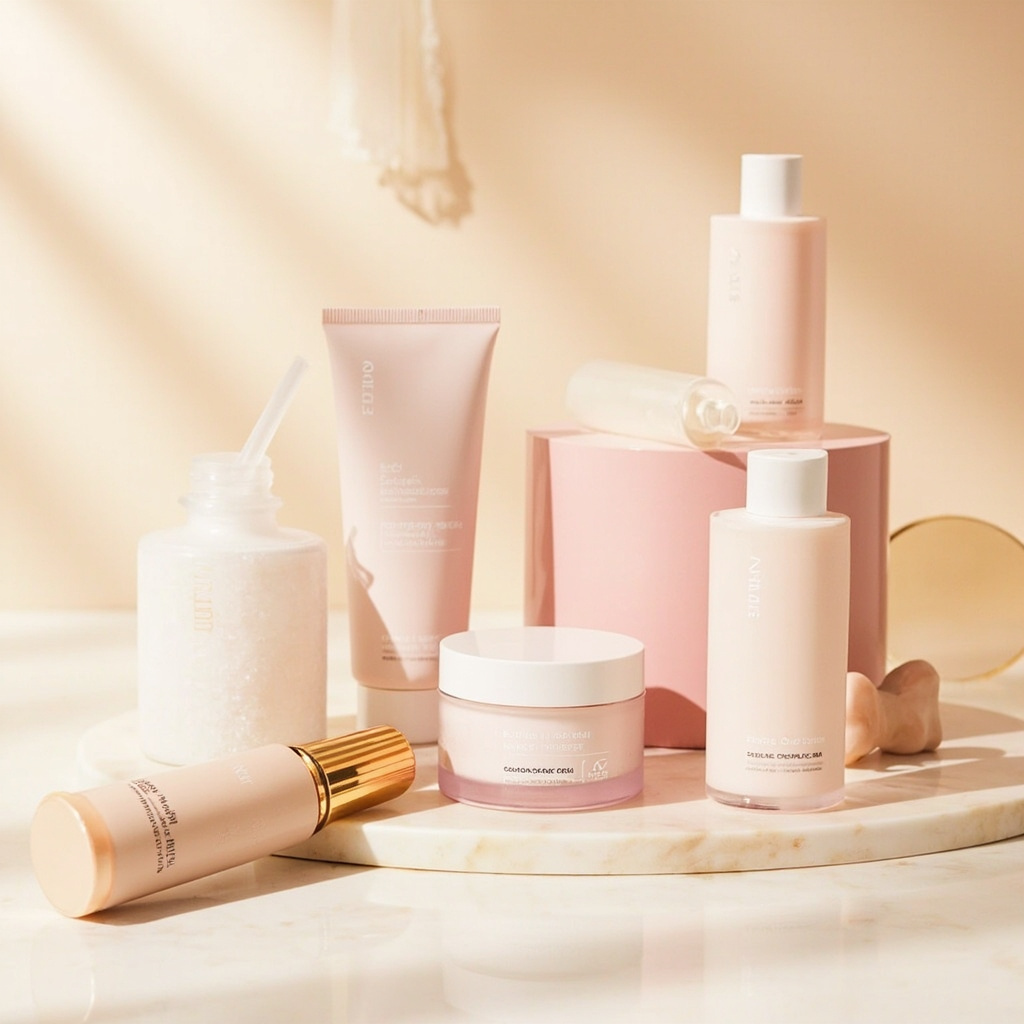
If you've scrolled through TikTok, Pinterest, or any beauty feed lately, you've already seen it: that impossibly smooth, airbrushed-from-within complexion that looks diffused like morning light through a cirrus cloud. It's called cloud skin, and it's the defining complexion trend of summer 2026.
After years of glass skin's wet-looking, high-shine finish dominating our routines, a quieter, more wearable aesthetic has arrived. Cult Beauty flagged the shift in their 2026 trend forecast, noting that "consumers are moving away from high-gloss extremes toward blurred, skin-like finishes." Who What Wear dubbed cloud skin "the most wearable complexion trend of the year," while Vogue highlighted its appeal across skin types and climates. Even ingredient suppliers like Twincraft have confirmed that the demand for soft-focus, velvety textures is reshaping product formulation across the industry.
This guide breaks down everything you need to know about cloud skin: what it is, why it's replacing glass skin, how to build the routine, and exactly which products deliver that coveted airbrushed effect.
What Is Cloud Skin?
Cloud skin is a complexion finish that sits in the sweet spot between matte and dewy. Think of it as the beauty equivalent of a soft-focus filter—your skin looks smooth, even, and luminous, but without the mirror-like reflection of glass skin or the flatness of a fully matte face.
The term describes skin that appears:
• Blurred — pores and texture are softened, not erased
• Velvety — a touchable, almost powdery surface that still has life
• Luminous but not shiny — light scatters softly rather than bouncing off in a single glare
• Hydrated from within — the look of plump, well-cared-for skin that isn't slick
Where glass skin demanded a high-gloss, almost wet-looking finish achieved through layers of toner, essence, and occlusive moisturizers, cloud skin prioritizes diffused radiance. It's the result of thorough hydration paired with strategic texturizing—think gel moisturizers, skin tints, and finely milled powders that work with your skin, not against it.
As Who What Wear's beauty team put it, cloud skin is "the finish you get when your skincare is doing the heavy lifting and your makeup is just there to refine."
Why Cloud Skin Is Replacing Glass Skin in 2026
The shift from glass skin to cloud skin isn't arbitrary—it's driven by several converging factors in beauty culture, formulation science, and consumer priorities.
The Cultural Shift Toward Effortless Beauty
The "no-makeup makeup" movement has evolved. In 2026, the most covetable looks are those that read as naturally radiant rather than meticulously constructed. Cloud skin fits perfectly into this ethos: it suggests healthy skin that happens to look incredible, rather than a multi-step makeup application.
Climate Adaptability
Cloud skin is significantly more adaptable across climates and seasons than glass skin. Glass skin's heavy, occlusive layers can feel suffocating in humidity and can look greasy as the day wears on. Cloud skin, by contrast, relies on lightweight hydrators and breathable textures that perform well in both air-conditioned offices and outdoor summer heat.
Inclusivity Across Skin Types
One of glass skin's limitations was its inherent challenge for oily and combination skin types. The glossy finish that looked ethereal on dry or normal skin could read as excess oil on shinier complexions. Cloud skin's blurred, satin finish is more universally flattering, making it a genuinely inclusive trend. Vogue noted this in their summer beauty preview, calling cloud skin "a complexion goal that actually works for more than one skin type."
Formulation Innovation
Skincare technology has caught up with the trend. Lightweight gel-creams, hyaluronic acid complexes at every molecular weight, and micronized blurring powders have made it possible to achieve a soft-focus finish without heavy silicones or pore-clogging textures. Brands are responding to consumer demand for finishes that enhance rather than mask the skin.
Cloud Skin vs Glass Skin vs Butter Skin: What's the Difference?
The last few years have given us a parade of skin finish trends. Here's how cloud skin stacks up against its predecessors.
| Feature | Cloud Skin | Glass Skin | Butter Skin |
|---|---|---|---|
| Finish | Soft-focus, velvety, diffused | High-shine, wet-looking, reflective | Rich, creamy, smooth like butter |
| Shine Level | Low to moderate (luminous, not shiny) | High (deliberately glossy) | Moderate (satin-smooth) |
| Best Skin Types | Oily, combo, normal, sensitive | Dry to normal only | Dry, normal |
| Key Products | Gel moisturizer, tinted SPF, blurring powder | Toner essence layers, occlusive cream, gloss | Rich cream, skin tint, luminous primer |
| Durability | All-day wear, minimal meltdown | Fades quickly on oily skin | Good on dry skin, can slip in humidity |
| Season | Year-round, especially summer | Fall/Winter | Fall/Winter, cooler climates |
| Complexity | 3-4 steps | 7-10+ steps | 4-5 steps |
The 4-Step Cloud Skin Routine
Achieving cloud skin doesn't require a twenty-step ritual. The magic is in the layering order and the texture of each product. Here is the exact routine to build.
Step 1: Prep — Hydrate Deeply With Essences and Serums
Cloud skin starts with quenched, plumped skin. The goal at this stage is to deliver lightweight, rapid-absorbing hydration that makes the skin look bouncy without feeling tacky.
Key ingredients to look for: Hyaluronic acid, snail mucin, centella asiatica, panthenol, glycerin.
Apply your hydrating essence or serum to damp skin after cleansing. A light, watery texture that sinks in within 30 seconds is ideal—anything that sits on top too long will interfere with the soft-focus finish later.
Step 2: Prime — Lock In Moisture With a Gel-Based Moisturizer
This is the step that most differentiates cloud skin from glass skin. While glass skin relies on heavy, oily creams to create shine, cloud skin uses gel or gel-cream moisturizers that hydrate deeply while leaving a smooth, residue-free surface for the next steps.
Gel moisturizers provide the perfect balance: enough emollience to keep skin comfortable, but no greasy slip that would prevent powder from gripping later.
Step 3: Base — Use a Tinted SPF or Skin Tint
Cloud skin's base is where the blurring happens. A lightweight tinted sunscreen or skin tint evens out the complexion without the coverage or texture of a full foundation. The ideal product has a slightly moussey or serum-like consistency that spreads easily and dries down to a natural, skin-like finish.
This step does double duty: sun protection and subtle color correction. The SPF is non-negotiable—cloud skin is radiant, not damaged.
Step 4: Set — Dust a Soft-Focus Powder
The final and defining step is a light application of a finely milled, translucent, blurring powder. Apply with a fluffy brush using pressing and rolling motions, focusing on the T-zone and any areas where you tend to get shiny.
The key here is restraint. You're not baking or mattifying entirely—you're just taking the edge off the luminosity so the finish reads as velvety rather than wet. A light hand and the right powder are everything.
Best Products for Cloud Skin in 2026
These are the products that consistently deliver the cloud skin finish, based on formulation quality, user reviews, and ingredient profiles. Every product links directly to the full review on KlipAura.
Prep Step
COSRX Snail Mucin 96% Essence — $18
The cult-favorite essence that started it all. With 96% snail secretion filtrate, this lightweight, slightly viscous serum delivers deep hydration, supports skin barrier repair, and leaves skin looking plump and bouncy. It absorbs almost instantly with zero stickiness—ideal for the prep step. This is the single most recommended product in the cloud skin routine across Reddit and TikTok.
The Ordinary Hyaluronic Acid 2% + B5 — $10
A no-brainer for the prep step. Three molecular weights of hyaluronic acid penetrate at different skin depths for multi-level hydration, while vitamin B5 (panthenol) soothes and supports barrier function. At $10, it's the most affordable entry point into the cloud skin routine. Apply to damp skin immediately after cleansing.
Anua Heartleaf 77% Toner — $21
This toner has dominated K-beauty charts for a reason. With 77% heartleaf (houttuynia cordata) extract, it calms inflammation, tightens pores, and provides a surge of lightweight hydration. The watery texture makes it perfect for layering under thicker serums, and the pore-minimizing effect directly contributes to cloud skin's blurred finish.
Skin1004 Centella Ampoule — $18
If your skin is sensitive, stressed, or prone to redness, this is your cloud skin essential. Centella asiatica extract soothes irritation while delivering steady hydration. The ampoule has a watery-gel texture that disappears into skin, leaving absolutely no residue—exactly what you want before the priming step.
Prime Step
Dieux Instant Angel — $38
The internet's most beloved moisturizer has earned its reputation. Dieux Instant Angel is a lipid-rich gel-cream that delivers barrier-strengthening ceramides, glycerin, and squalane in a formula that feels like nothing on the skin. It hydrates deeply but dries down to a satin finish that is the perfect base for tinted SPF. This is the gold standard for the priming step in a cloud skin routine.
Base Step
Tower 28 Sunnydays SPF 30 — $32
A mineral sunscreen and skin tint in one, Sunnydays SPF 30 uses 9% zinc oxide for broad-spectrum protection and iron oxides for subtle, buildable coverage. The finish is naturally luminous—not greasy, not flat—making it a top-tier cloud skin base. It's also formulated without common irritants, so sensitive skin types can use it with confidence.
EltaMD UV Clear SPF 46 — $42
The dermatologist-favorite SPF has a place in the cloud skin routine for its unique formulation: transparent zinc oxide with niacinamide. It provides high protection while controlling oil and refining pores. The finish is virtually invisible with a slight natural sheen that pairs perfectly with a dusting of setting powder.
AM Antioxidant Step
Paula's Choice C15 Super Booster — $52
While not a mandatory step in the cloud skin routine, a stable vitamin C serum applied in the morning does two critical things: it boosts collagen production for long-term skin health and it helps prevent the dullness that can cloud (in the bad way) your complexion. Paula's Choice C15 uses 15% pure vitamin C with vitamin E and ferulic acid for stability and efficacy. Apply before moisturizer in the AM routine.
Product Comparison Table
| Product | Price | Step | Key Ingredient | Finish | Best For |
|---|---|---|---|---|---|
| COSRX Snail Mucin 96% Essence | $18 | Prep | Snail secretion filtrate | Dewy, plumping | All skin types, barrier repair |
| The Ordinary HA 2% + B5 | $10 | Prep | Hyaluronic acid, panthenol | Hydrating, weightless | Budget builds, oily skin |
| Dieux Instant Angel | $38 | Prime | Ceramides, squalane, glycerin | Satin, velvety | Dry to normal, barrier support |
| Tower 28 Sunnydays SPF 30 | $32 | Base | 9% zinc oxide, iron oxides | Natural, luminous | Sensitive, reactive skin |
Who Is Cloud Skin Best For?
The beauty of cloud skin is its adaptability. Here's how it works across skin types.
Oily Skin — ★★★★★ Highly Recommended
Cloud skin is arguably at its best on oily complexions. The soft-focus powder step controls shine where it matters, while lightweight gel-based hydration prevents the skin from overproducing oil to compensate for dehydration. The satin finish looks sophisticated rather than greasy. Pro tip: Use a mattifying toner like the Anua Heartleaf before your hydrating serum, and focus your powder application on the T-zone.
Combination Skin — ★★★★☆ Excellent
Combination skin types benefit from cloud skin's modular nature. Use richer products on drier areas (cheeks, jawline) and lighter textures on the oilier zones (forehead, nose). The powder step can be customized—apply more to the center of the face and a barely-there dusting on the outer perimeter.
Normal Skin — ★★★★☆ Great
Normal skin achieves the cloud skin look with minimal effort. The routine works as written, without modifications. You may even skip the powder step entirely on days when you want a slightly more luminous finish.
Dry Skin — ★★★☆☆ Good With Adjustments
Dry skin can achieve cloud skin but needs richer prep and priming products. Layer two hydrating serums before your moisturizer, and consider skipping the powder or using a dewy setting spray as your final step instead. The finish will lean more luminous but still read as soft-focus rather than glossy.
Frequently Asked Questions
1. Can I achieve cloud skin without wearing makeup?
Absolutely. Cloud skin is primarily a skincare-driven look. If you hydrate well, use a gel moisturizer, and apply a translucent blurring powder, you'll get the soft-focus effect even without tinted products. The key is the powder step—that's what creates the diffusion.
2. Is cloud skin suitable for acne-prone skin?
Yes, with the right product choices. Stick to non-comedogenic, fragrance-free formulas like the COSRX Snail Mucin Essence and Dieux Instant Angel. The lightweight texture of cloud skin products means fewer pore-clogging ingredients than heavier glass-skin creams. Always patch test new products.
3. How is cloud skin different from "glass skin"?
Glass skin aims for a high-shine, reflective finish achieved through multiple layers of toner, essence, serum, and occlusive cream. Cloud skin aims for a blurred, velvety, diffused finish that sits between matte and dewy. Glass skin reflects light in a single spot; cloud skin scatters it softly across the complexion.
4. What SPF should I use for cloud skin?
A tinted mineral sunscreen is ideal because it provides sun protection, subtle coverage, and a natural finish in one step. The Tower 28 Sunnydays SPF 30 is an excellent choice. If you prefer an untinted option, EltaMD UV Clear SPF 46 provides a sheer finish that works well under a blurring powder.
5. Can I wear cloud skin in humid weather?
Yes—and it may actually perform better than glass skin in humidity. The gel-based moisturizers and powder finish are less likely to melt or look greasy in heat. Choose a long-wearing SPF and carry a blotting paper or pressed powder for touch-ups if needed.
6. What powder should I use for the soft-focus finish?
Look for a translucent, micronized, blurring powder with light-diffusing ingredients like silica or corn starch. Apply with a large fluffy brush using pressing motions, not sweeping—this pushes the powder into the skin rather than moving it around. Avoid heavy HD powders that can look cakey.
7. Is cloud skin a K-beauty trend?
Cloud skin has strong roots in K-beauty philosophy—it prioritizes skin health, hydration, and a natural finish over heavy makeup. However, it's a truly global trend in 2026, with Western brands also releasing cloud-skin-inspired products. It's best understood as the evolution of the skin-first approach that K-beauty championed.
8. How long does a cloud skin routine take?
A full cloud skin routine takes about 5–8 minutes in the morning: 2 minutes for prep (essence/serum), 1 minute for moisturizer, 1 minute for tinted SPF, and 30 seconds for powder. It's one of the most time-efficient complexion routines available.
9. Can I use retinol or exfoliants with a cloud skin routine?
Yes, use them in your evening routine. Cloud skin is a daytime look—your AM routine focuses on hydration, protection, and texture. In the PM, use your retinoids, AHA/BHA exfoliants, or treatment serums as usual. The cloud skin look benefits from smooth skin texture, so regular (gentle) exfoliation helps.
10. What if my cloud skin looks cakey?
Cakiness usually means either (a) your prep layers aren't fully absorbed before the next step, (b) your moisturizer and powder are incompatible (silicone + water-based clash), or (c) you're using too much powder. Give each layer 30–60 seconds to absorb, stick to water-based formulas, and use a lighter hand with powder.
More Skincare Guides on KlipAura
Building your cloud skin routine is just one step in a holistic skincare approach. These related guides will help you refine your overall strategy:
• Smart Skinimalism: The Minimalist Skincare Routine for 2026 — Discover how to streamline your entire routine without sacrificing results.
• Best Lightweight Moisturizers & Gel Creams for Summer 2026 — Our top picks for the gel-based moisturizers that power the cloud skin look.
• Skin Longevity & Prejuvenation: The 2026 Skincare Philosophy — How thinking long-term about skin health supports every trend, including cloud skin.
The Bottom Line
Cloud skin represents a maturing of the complexion trend cycle. It's not about chasing the shiniest, glossiest, or most dramatic finish—it's about skin that looks healthy, hydrated, and naturally radiant. In summer 2026, that soft-focus, velvety complexion is the ultimate beauty signal, and it's one that almost anyone can achieve with the right products and a streamlined routine.
Whether you're transitioning from a glass skin regimen or building a cloud skin routine from scratch, the principle is the same: hydrate well, protect with SPF, and blur the rest.
Shop Cloud Skin Essentials
The cult-favorite essence for cloud skin prep. Deep hydration with zero stickiness.
Gold-standard gel-cream for the priming step. Barrier-repair powerhouse.
Best tinted SPF for cloud skin base. Natural, luminous finish.
Vitamin C antioxidant step. Protects and brightens for long-term cloud skin.
This article contains affiliate links. As an Amazon Associate, KlipAura earns from qualifying purchases. We only recommend products we have researched and believe deliver genuine value. All prices are accurate at time of publication. See our full affiliate disclosure for details.
🛍️ Shop This Guide
As an Amazon Associate, AnikaGlow earns from qualifying purchases. All reviews are independent and based on real testing. Products are selected based on merit, not affiliate commission.
Weekly Beauty Finds
Honest reviews, trending products, and exclusive recommendations — delivered to your inbox.
No spam, unsubscribe anytime. We respect your inbox.