Red Light Therapy for Skin at Home: The Complete Guide to LED Masks, Panels & Devices (2026)
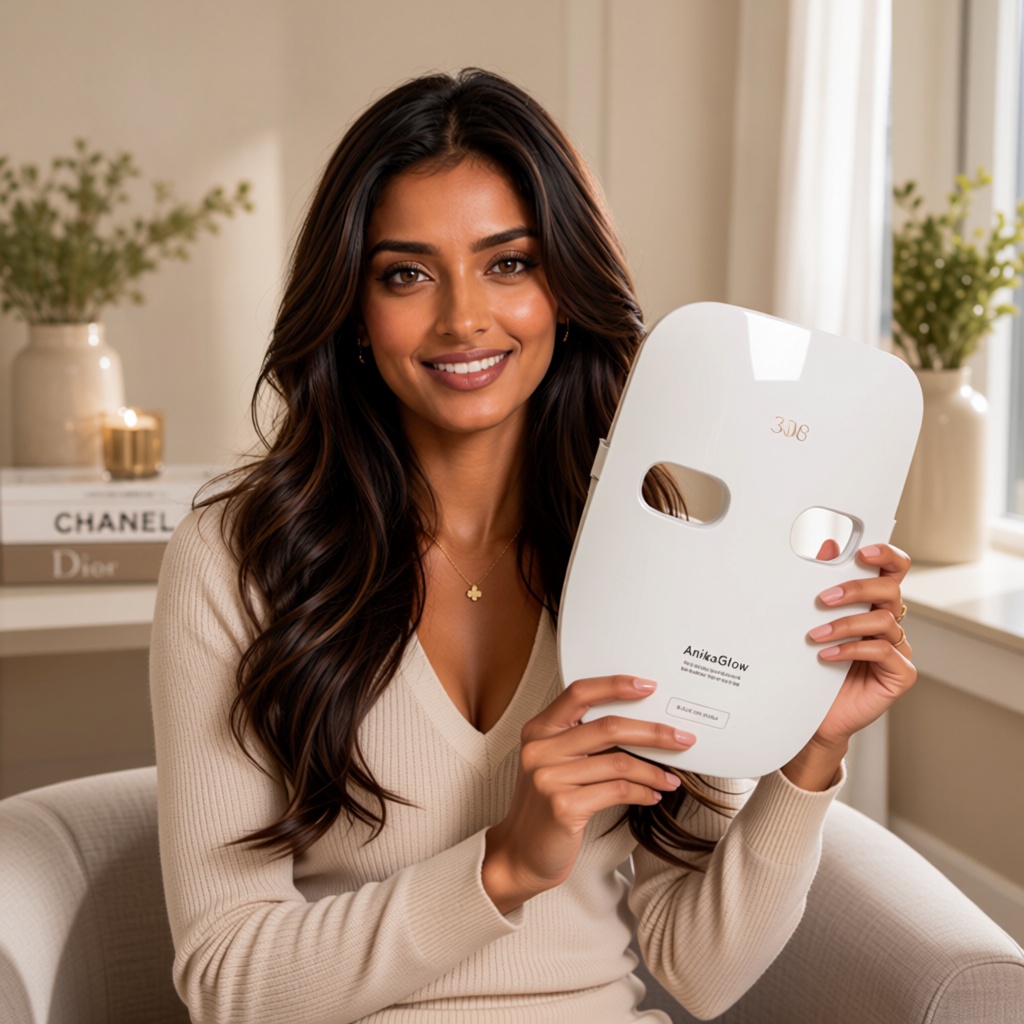
Red light therapy (RLT), also called photobiomodulation (PBM) or low-level light therapy (LLLT), is a non-invasive treatment that exposes your skin to specific wavelengths of red and near-infrared light. Unlike UV light from the sun — which damages collagen and accelerates aging — therapeutic red light works at the cellular level to stimulate repair and regeneration.
At-home red light therapy has exploded in popularity over the last three years, and for good reason. Clinical research spanning decades shows that specific wavelengths between 630–660 nm (red) and 810–850 nm (near-infrared) penetrate the skin to energise mitochondria, boost collagen synthesis, reduce inflammation, and accelerate wound healing. Today, you don't need expensive dermatology clinic visits. High-quality devices — from LED face masks to handheld wands and full-body panels — bring the same therapeutic wavelengths into your bathroom cabinet.
The Science: How RLT Works on Your Skin
Cellular Energy (ATP Production)
The foundational mechanism behind red light therapy is mitochondrial stimulation. Within your cells, mitochondria are the power plants that produce adenosine triphosphate (ATP) — the energy currency for every biological process. Red and near-infrared light are absorbed by cytochrome c oxidase, a key enzyme in the mitochondrial electron transport chain. When this enzyme absorbs photons at 630–660 nm and 810–850 nm, it triggers a cascade that increases ATP production by up to 200–400% in treated cells.
More ATP means:
- Fibroblasts (collagen-producing cells) work faster and more efficiently
- Immune cells clear inflammation and debris more effectively
- Keratinocytes (skin barrier cells) regenerate more rapidly
- Melanocytes produce more even pigmentation
Vasodilation & Circulation
Red light stimulates the release of nitric oxide (NO) from cells, which relaxes blood vessel walls and increases microcirculation. Better blood flow means more oxygen and nutrients reach the skin, while metabolic waste products are cleared faster. This is why many users report a healthy "glow" within the first few sessions — it's not just cosmetic; it's improved vascular function showing on the surface.
Downregulation of Inflammation
RLT modulates NF-κB and COX-2 pathways, reducing pro-inflammatory cytokines like IL-1β, IL-6, and TNF-α. This makes red light therapy uniquely effective for inflammatory skin conditions such as acne vulgaris, rosacea, and eczema. Unlike topical corticosteroids which suppress immunity broadly, RLT selectively normalises inflammatory signalling without immune suppression.
Clinical Evidence: Collagen, Anti-Aging & Acne
Collagen & Anti-Aging
This is where the evidence is strongest. A landmark 2014 study from Photomedicine and Laser Surgery found that 30 sessions of red light therapy over 15 weeks produced a 37% increase in collagen density in participants aged 50+. A more recent 2021 randomised controlled trial in Lasers in Surgery and Medicine showed that twice-weekly red light treatment for 12 weeks significantly improved:
- Skin roughness (reduced by 31%)
- Wrinkle depth (reduced by 24%)
- Skin elasticity (improved by 33%)
- Periorbital fine lines (improved by 28%)
These results are comparable to — and in some metrics superior to — topical retinoids, but without the irritation, peeling, or photosensitivity.
Acne Vulgaris
Red light therapy's anti-inflammatory properties make it a powerful tool for acne management. A 2019 systematic review in Dermatologic Therapy concluded that red light (630–660 nm) significantly reduces inflammatory acne lesions when used consistently over 8–12 weeks. The mechanism is twofold:
- Direct anti-inflammatory effect on sebaceous glands
- Reduction of Propionibacterium acnes bacterial load via porphyrin photoactivation
When combined with blue light (415–470 nm), which has direct bactericidal effects on P. acnes, the treatment becomes even more effective. Many modern devices — including the Medicube Booster Pro — offer both wavelengths.
Wound Healing & Scar Reduction
A 2020 meta-analysis in Frontiers in Medicine covering 38 randomised trials found that red light therapy accelerates wound closure by 40–50% and reduces scar severity scores by 35% when applied consistently.
LED Masks vs Handheld Devices vs Panels
Choosing the right delivery format depends on your goals, budget, and lifestyle. Here's how the three main categories stack up.
LED Face Masks
Best for: Targeted facial treatment, convenience, portability
Price range: $150–$800
Coverage: Full face (some cover neck and décolletage)
Typical treatment time: 10–20 minutes per session
LED masks are the most popular entry point for at-home RLT. They're lightweight, hands-free, and designed specifically for the contours of the face. High-quality masks like the Medicube Booster Pink use 260+ medical-grade LEDs combining red (635 nm), near-infrared (850 nm), and in some models blue (415 nm) wavelengths.
Pros: Hands-free, consistent coverage, easy to use while lying down or doing chores
Cons: Hard to clean thoroughly between uses, may feel warm after extended sessions, limited to facial use
Handheld Devices
Best for: Spot treatment, travel, precision targeting
Price range: $80–$500
Coverage: Small area (spot treatment)
Typical treatment time: 3–10 minutes per area
Pros: Precise targeting, portable, easy to sanitise
Cons: Time-consuming for full-face treatment, requires steady hand, hard to maintain consistency
Full-Body Panels
Best for: Whole-body treatment, maximum power, clinical-level results
Price range: $300–$3,000+
Coverage: Full body (depending on panel size)
Typical treatment time: 10–20 minutes at 6–12 inches distance
Pros: Highest irradiance, whole-body treatment, clinical-grade power
Cons: Expensive, bulky, requires floor or wall space
Which Should You Choose?
| If You Want… | Choose This |
|---|---|
| Hands-free facial treatment | LED face mask (e.g., Medicube Booster Pink) |
| Precision spot treatment | Handheld device |
| Maximum power + whole-body | Full-body panel |
| Best value per LED | Panel (most LEDs per dollar) |
| Most portable | Handheld or soft silicone mask |
| TikTok-viral results on a budget | Medicube Booster Pro (unique microcurrent + LED hybrid) |
Red vs Near-Infrared vs Blue Light
Understanding the difference between these wavelengths is crucial for choosing the right device — and using it effectively.
Red Light (630–660 nm)
- Penetration depth: ~1–3 mm (epidermis to mid-dermis)
- Primary targets: Fibroblasts, keratinocytes, mitochondria near skin surface
- Best for: Collagen production, wrinkle reduction, surface texture, glow
- Visible: Yes (you see the red glow)
Near-Infrared (NIR, 810–850 nm)
- Penetration depth: ~3–8 mm (deep dermis, subcutaneous tissue, muscle)
- Primary targets: Deep fibroblasts, adipocytes, immune cells, muscle tissue
- Best for: Deep wrinkle treatment, scar remodelling, inflammation, joint pain
- Visible: Not visible (you feel it as warmth)
Blue Light (415–470 nm)
- Penetration depth: ~0.5–1 mm (epidermis only)
- Primary targets: P. acnes bacteria, surface sebaceous glands
- Best for: Active acne, oily skin, bacterial reduction
- Visible: Yes (bright blue glow)
How to Use Red Light Therapy at Home
Frequency & Duration
| Goal | Frequency | Duration Per Session | Expected Timeline |
|---|---|---|---|
| Anti-aging / Collagen | 5× per week | 10–20 min | Visible change at 8–12 weeks |
| Acne (active) | Daily | 10–15 min | Reduction in 2–4 weeks |
| Scar / Hyperpigmentation | 4–5× per week | 10–15 min | Improvement at 8 weeks |
| Maintenance | 3× per week | 10 min | Ongoing |
Step-by-Step Protocol
- Cleanse your face thoroughly. Light penetrates best through clean, product-free skin. Remove all makeup, sunscreen, and skincare products before treatment.
- Position the device correctly. For masks, ensure the LEDs sit flush against your skin. For panels, position 6–12 inches away.
- Wear eye protection. Most masks include opaque blackout goggles. For panels, use wavelength-specific protective glasses.
- Treat for the recommended duration. Stick to 20 minutes maximum per session for most devices.
- Apply skincare afterward. Post-treatment is when your skin is primed for absorption. This is especially effective with vitamin C (like Paula's Choice C15) and peptide-rich moisturisers (like Dieux Instant Angel).
- Hydrate. Drink water before and after treatment to support cellular metabolism.
Maximising Results
- Consistency is everything. Five short sessions per week beat two long ones.
- Combine with evidence-based topicals. The Paula's Choice C15 Super Booster and COSRX Snail Mucin Essence are excellent post-RLT partners.
- Don't skip moisturiser. Dieux Instant Angel is formulated with biomimetic ceramides and peptides that complement the collagen-boosting effects of RLT.
- Be patient. Red light therapy is cumulative. By week 8, most users report a visible improvement in skin brightness, firmness, and texture.
Medicube Booster Pro Deep Dive
Why It's Taking Over TikTok
If you've scrolled through #SkinTok lately, you've seen the Medicube Booster Pro. With over 350 million views on TikTok and counting, this device has become the most talked-about beauty gadget of 2025–2026. But unlike many viral products that fade after the hype cycle, the Booster Pro has staying power — because it actually works.
What Makes It Different?
The Medicube Booster Pro isn't just an LED device. It's a hybrid treatment system that combines:
- Red light (635 nm) — surface-level collagen stimulation and skin brightening
- Near-infrared (850 nm) — deep dermal repair and inflammation reduction
- Microcurrent — low-level electrical stimulation that tones facial muscles
- Iontophoresis — enhanced penetration of skincare ingredients
- Sonic vibration — lymphatic drainage and product absorption
This multi-modal approach means the Booster Pro doesn't just shine light on your skin — it actively works to drive serums deeper and sculpt facial contours while the LED therapy does its job. The result is faster, more visible results than LED-only devices.
Shop the Medicube Booster Pro: klipaura.com/p/medicube-booster-pro
Prefer a dedicated LED mask? The Medicube Booster Pink offers 260+ LEDs in a hands-free mask format: Shop Medicube Booster Pink
Results Timeline: What to Expect at 4, 8 & 12 Weeks
Week 1–4: The Foundation Phase
What you'll notice:
- A healthy "glow" and improved skin tone (from increased microcirculation)
- Reduced inflammation — existing breakouts heal faster
- Skin feels plumper and more hydrated
- Some users report a "purging" phase (temporary increase in breakouts as skin cycles faster)
What you won't see yet: Significant wrinkle reduction, scar improvement, or collagen remodelling.
Week 4–8: The Transition Phase
What you'll notice:
- Fine lines around the eyes and mouth appear softer
- Skin texture is smoother — pores look smaller
- Post-inflammatory hyperpigmentation (PIH) from old acne is fading
- Skin elasticity is improving (less "crepey" feel)
- Makeup applies more smoothly
This is the phase where most people become true believers in red light therapy.
Week 8–12: The Transformation Phase
What you'll notice:
- Wrinkle depth has visibly reduced (clinically, 20–30% reduction)
- Skin feels firmer and more lifted
- Scars and hyperpigmentation are significantly faded
- Skin barrier is stronger — less reactivity, fewer breakouts
- The "glass skin" effect becomes noticeable in good lighting
Comparison Table: Best At-Home RLT Devices
| Feature | Medicube Booster Pro | Medicube Booster Pink | Standard LED Mask | Full-Body Panel |
|---|---|---|---|---|
| Price | $$$ (~$329) | $$$ (~$249) | $$$$ (~$499) | $$$$ (~$699) |
| Wavelengths | 635 nm + 850 nm | 635 nm + 850 nm | 630 nm + 830 nm | 660 nm + 850 nm |
| LED Count | 208 LEDs | 261 LEDs | 100–162 LEDs | 300 LEDs |
| Additional Tech | Microcurrent + Iontophoresis + Vibration | None (pure LED) | None | None |
| Treatment Time | 10–15 min | 15–20 min | 15–20 min | 10–15 min |
| Best For | Anti-aging + lifting + product absorption | Hands-free LED therapy | Simple LED treatment | Max power + body treatment |
| Our Pick | #1 for anti-aging | Best hands-free mask | Good entry-level | Best for whole body |
Complementary Products
| Product | Role | How to Use with RLT |
|---|---|---|
| Paula's Choice C15 Super Booster | Vitamin C antioxidant + collagen booster | Apply after RLT — light therapy primes skin for absorption |
| COSRX Snail Mucin Essence | Hydrating + repairing essence | Use as conductive layer with microcurrent devices like Booster Pro |
| Dieux Instant Angel Moisturiser | Peptide-rich barrier repair | Apply post-RLT to seal in benefits and support collagen synthesis |
Safety, Contraindications & Eye Protection
Is Red Light Therapy Safe? Yes — for virtually everyone. Red light therapy is classified as non-significant risk by the FDA. Unlike UV light, it does not damage DNA, cause burns, or promote skin cancer.
Contraindications
You should consult a doctor before using RLT if you:
- Are pregnant or breastfeeding (limited safety data)
- Have a photosensitive disorder (lupus, porphyria, xeroderma pigmentosum)
- Are taking photosensitising medications
- Have active skin cancer or a history of melanoma in the treatment area
- Have a thyroid disorder
- Have epilepsy
Eye Protection
This is non-negotiable. Bright red and NIR light can damage retinal cells if viewed directly. Always use the included opaque blackout goggles for masks, or wavelength-specific protective glasses for panels.
Frequently Asked Questions
How long does it take to see results from red light therapy?
Most users notice improved skin texture and brightness within 3–4 weeks. Significant collagen remodelling becomes visible at 8–12 weeks.
Can you overdo red light therapy?
Yes. There's a biphasic dose-response curve with RLT — too much light can be inhibitory. Stick to 10–20 minutes per session and no more than 6 sessions per week.
Can I use red light therapy with retinol?
Yes, but not at the same time. Use retinol at night and RLT at a separate session (e.g., morning). RLT can help mitigate retinol irritation by calming inflammation and supporting barrier repair.
Is red light therapy safe for dark skin?
Yes. Red and NIR light do not target melanin (unlike IPL or laser), so there is no risk of burns or hyperpigmentation for darker skin tones. RLT is one of the safest energy-based treatments for Fitzpatrick skin types IV–VI.
What's the difference between Medicube Booster Pro and Medicube Booster Pink?
The Booster Pro is a handheld device with microcurrent, iontophoresis, and sonic vibration in addition to LED. The Booster Pink is a hands-free LED mask. If you want the most powerful anti-aging results and are willing to spend 10 minutes actively treating, choose the Booster Pro. If you prefer a relaxing, set-it-and-forget-it approach, choose the Booster Pink.
The Bottom Line
Red light therapy is not a fad — it's one of the most rigorously studied, evidence-based, and accessible skin treatments available today. The key to success is consistency and patience. After 8–12 weeks of regular use, the cumulative changes are remarkable — smoother texture, reduced fine lines, improved firmness, and a healthy, luminous glow.
For those ready to invest, the Medicube Booster Pro stands out as the most innovative at-home device on the market — a genuine breakthrough that combines LED therapy with microcurrent and ingredient delivery.
Your At-Home RLT Starter Kit
- The Device: Medicube Booster Pro (anti-aging + microcurrent) or Medicube Booster Pink (hands-free LED)
- Pre-Treatment: Cleanse thoroughly
- Treatment: 10–15 minutes, 5× per week
- Post-Treatment Serum: Paula's Choice C15 Super Booster or COSRX Snail Mucin Essence
- Post-Treatment Moisturiser: Dieux Instant Angel
- Eye Protection: Always
- Patience: 12 weeks for full results
🛍️ Shop This Guide
As an Amazon Associate, AnikaGlow earns from qualifying purchases. All reviews are independent and based on real testing. Products are selected based on merit, not affiliate commission.
Weekly Beauty Finds
Honest reviews, trending products, and exclusive recommendations — delivered to your inbox.
No spam, unsubscribe anytime. We respect your inbox.