Beta-Glucan Skincare: Why Dermatologists Are Calling It 2026's Barrier-Repair Breakthrough
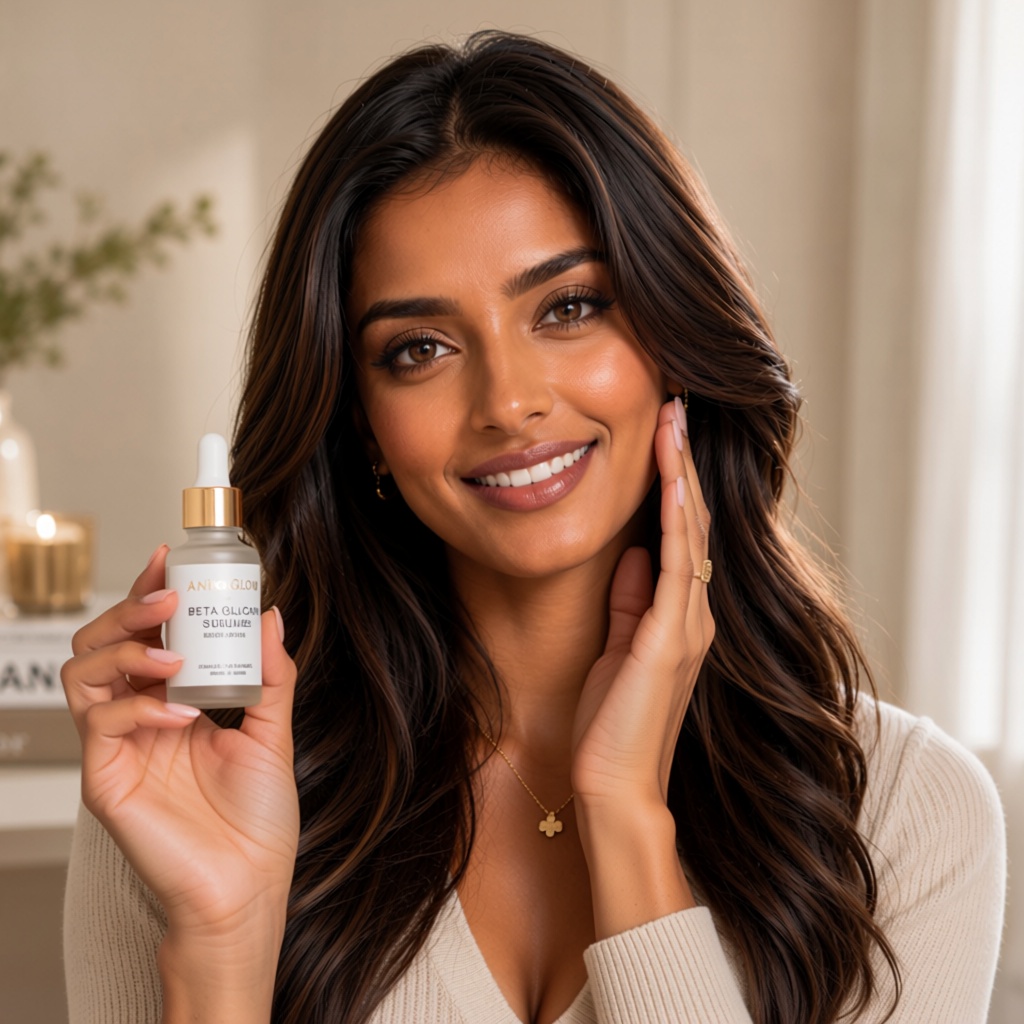
If you've scrolled through skincare TikTok or browsed the latest “viral ingredient” threads on Reddit this year, you've likely seen beta-glucan creeping into more product descriptions, ingredient lists, and “derm explains” videos. The buzz isn't just hype — search interest in beta-glucan has surged 51% year-over-year, and for good reason.
While hyaluronic acid has reigned as the hydration queen for the better part of a decade, a growing chorus of dermatologists and cosmetic chemists are pointing to beta-glucan as a genuinely superior alternative — not just for hydration, but for barrier repair, a category that has become the single most talked-about skincare priority in 2026.
So, what exactly is beta-glucan, and does it live up to the “breakthrough” billing? We dug into the research, talked to leading derms, and tested the products to bring you the definitive guide.
What Is Beta-Glucan?
Beta-glucan is a naturally occurring polysaccharide — a long chain of glucose molecules — found in the cell walls of oats, barley, yeast, algae, and certain mushrooms like reishi and shiitake. In skincare, it functions as a humectant (drawing moisture into the skin) and a biomodulator (interacting with skin cells to trigger repair pathways).
Depending on how it's processed, beta-glucan can exist as high-molecular-weight (1,000+ kDa) for surface protection and low-molecular-weight (< 500 kDa) for deeper penetration. This dual action — surface hydration plus deep cellular communication — is what sets beta-glucan apart from simpler humectants.
Clinical studies have shown that beta-glucan can deliver up to 20% more hydration than hyaluronic acid at comparable concentrations, with a longer-lasting effect on skin moisture levels.
Key takeaway: Beta-glucan is not a “new” ingredient — it's been used in wound-healing for decades — but its application in cosmetic skincare has reached a tipping point in 2026.
The Science: How Beta-Glucan Repairs Your Skin Barrier
The skin barrier is your body's first line of defense. Here's where beta-glucan's science gets interesting. Beta-glucan molecules are recognized by Dectin-1 receptors on macrophages and other immune cells, triggering a cascade of reparative processes:
- Increased fibroblast activity — Stimulates production of collagen and elastin to strengthen the skin's structural matrix.
- Reduced pro-inflammatory cytokines — Suppresses IL-1α, IL-6, and TNF-α while increasing anti-inflammatory IL-10, rebalancing the skin's immune response.
- Accelerated ceramide synthesis — Upregulates enzymes involved in ceramide production, directly reinforcing the skin barrier's lipid structure.
- Enhanced wound healing — Clinical trials show significant acceleration of epidermal regeneration within 72 hours.
5 Key Benefits of Beta-Glucan
1. Superior Hydration (20% More Than HA)
Multiple clinical trials confirm beta-glucan improves skin hydration by 20.1% more than HA control groups, with better water-retention capacity over an eight-hour period.
2. Barrier Repair and Reinforcement
By stimulating ceramide synthesis and reducing TEWL, beta-glucan directly strengthens the skin barrier. Derms recommend it as a prebiotic barrier support ingredient that feeds beneficial skin microbiota while physically reinforcing the stratum corneum.
3. Calming Inflammation and Redness
By downregulating pro-inflammatory cytokines and promoting macrophage polarization toward the anti-inflammatory M2 phenotype, beta-glucan visibly reduces redness and soothes irritation.
4. Antioxidant Protection
Beta-glucan upregulates the skin's endogenous antioxidant enzymes — including superoxide dismutase (SOD) and glutathione peroxidase — boosting the skin's own ability to neutralize oxidative stress.
5. Collagen Support and Anti-Aging
By stimulating fibroblast activity, beta-glucan supports collagen synthesis for maintaining skin firmness, elasticity, and density as we age. Think of it as the “gentle but effective” anti-aging ingredient that works in the background.
Beta-Glucan vs. Hyaluronic Acid
The verdict: If you can only choose one, beta-glucan is objectively the more multifunctional ingredient. But in practice, many of the best formulations combine both.
Who Should Use Beta-Glucan?
The short answer: everyone. But beta-glucan is especially beneficial for:
- Sensitive and reactive skin — Anti-inflammatory and barrier-reinforcing properties ideal for rosacea, eczema, and contact dermatitis.
- Acne-prone skin — Hydrates without clogging pores, plus calms inflammation crucial for healing acne lesions.
- Retinoid users — The perfect companion ingredient that repairs the barrier retinoids can compromise.
- Post-procedure skin — Accelerates healing after microneedling, laser, or chemical peels.
- Mature skin — Collagen support, antioxidant activity, and deep hydration address multiple age-related concerns.
- Dry or dehydrated skin — Film-forming and humectant properties provide both immediate and long-term hydration.
For more on barrier-supporting technologies, check out our guide on Spicule & Exosome Skincare: 2026's Breakthrough Trend.
How to Add Beta-Glucan to Your Routine
AM Routine
- Cleanser — Gentle, low-pH cleanser
- Beta-glucan toner or essence — Apply to damp skin for maximum absorption. Anua Heartleaf 77% Soothing Toner is a fantastic option.
- Vitamin C serum — Beta-glucan creates a buffered base that helps vitamin C absorb better with less irritation.
- Moisturizer — Dieux Instant Angel Moisturizer is an excellent barrier-repair option.
- Sunscreen — SPF 30+ mineral or hybrid
PM Routine
- Oil cleanser (if double cleansing)
- Water-based cleanser
- Beta-glucan serum or essence — COSRX Snail Mucin 96% Power Essence is rich in beta-glucan-like polysaccharides.
- Retinoid or treatment (if used) — Beta-glucan before retinoids acts as a buffer, reducing irritation.
- Moisturizer or sleeping mask
- Lip care — Finish with Laneige Lip Sleeping Mask.
Best Beta-Glucan & Barrier-Repair Products
Frequently Asked Questions
Is beta-glucan better than hyaluronic acid?
Beta-glucan is more multifunctional — superior hydration (up to 20% more), barrier repair, anti-inflammatory activity, and collagen support. HA is excellent for immediate hydration, but beta-glucan offers deeper, longer-term benefits.
Can I use beta-glucan with vitamin C?
Absolutely. Beta-glucan is pH-compatible with vitamin C. Applying a beta-glucan essence before your vitamin C can buffer the acidity, making it less irritating for sensitive skin.
Is beta-glucan safe for acne-prone skin?
Yes. Beta-glucan is non-comedogenic and won't clog pores. Its anti-inflammatory properties can help calm active breakouts and reduce redness.
How long does beta-glucan take to work?
Most users notice improved hydration within 3–7 days. Visible barrier improvements appear after 2–4 weeks. Collagen-support benefits become noticeable after 8–12 weeks.
Can I use beta-glucan with retinoids?
Yes — they're a dream team. Beta-glucan applied before your retinoid acts as a buffer, reducing irritation while stimulating ceramide production to repair the barrier.
Is beta-glucan vegan?
It depends on the source. Beta-glucan derived from oats, barley, yeast, or mushrooms is vegan. Always check product labeling.
Shop Beta-Glucan & Barrier-Repair Picks
Cult-favorite barrier repair. Triple-ceramide complex with ectoin. Fragrance-free.
Hydrating powerhouse with polysaccharides. Plumps and repairs. Suitable for all skin types.
Calming toner with heartleaf extract. Perfect pre-serum step for sensitive skin.
🛍️ Shop This Guide
As an Amazon Associate, AnikaGlow earns from qualifying purchases. All reviews are independent and based on real testing. Products are selected based on merit, not affiliate commission.
Weekly Beauty Finds
Honest reviews, trending products, and exclusive recommendations — delivered to your inbox.
No spam, unsubscribe anytime. We respect your inbox.